
Benchmark Testing of Contractor-Grade Tile Adhesive
Rising Costs, Rising Risks
With the rise in the cost of living, many South Africans are watching their budgets carefully — and it can be tempting to choose cheaper or lesserknown building products. But when it comes to tile adhesives, performance matters. A weak adhesive can compromise the entire installation.
Benchmark Testing: What We Found
As part of our ongoing market monitoring, we evaluated a commonly available contractorgrade tile adhesive and observed several performance issues.
Our ISO 17025–accredited laboratory routinely benchmarks contractor grade tile adhesives to ensure they meet the performance requirements for critical applications. During a recent evaluation, one product failed to meet the minimum criteria.
Don’t Let a Poor-Performing Adhesive Ruin a Project
Choosing the wrong tile adhesive isn’t just a minor setback — it can compromise the entire tiling installation. These problems cost time, money, and reputational damage for contractors and retailers alike. During our recent evaluation, the product we tested showed several performance failures that can directly lead to the issues illustrated below.

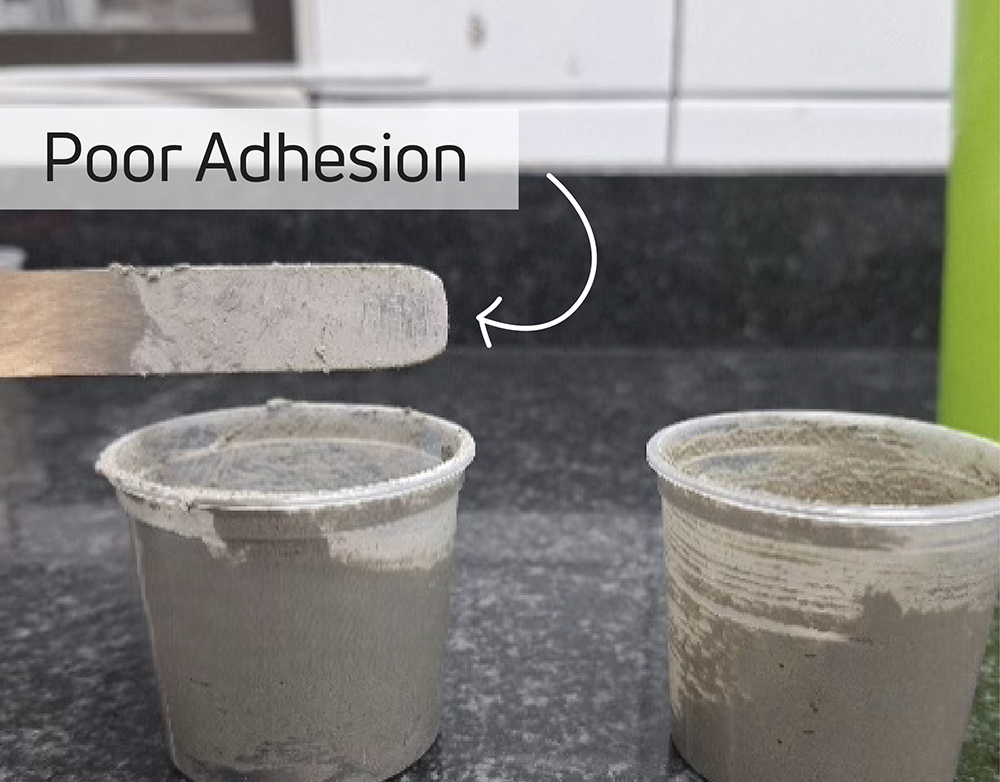
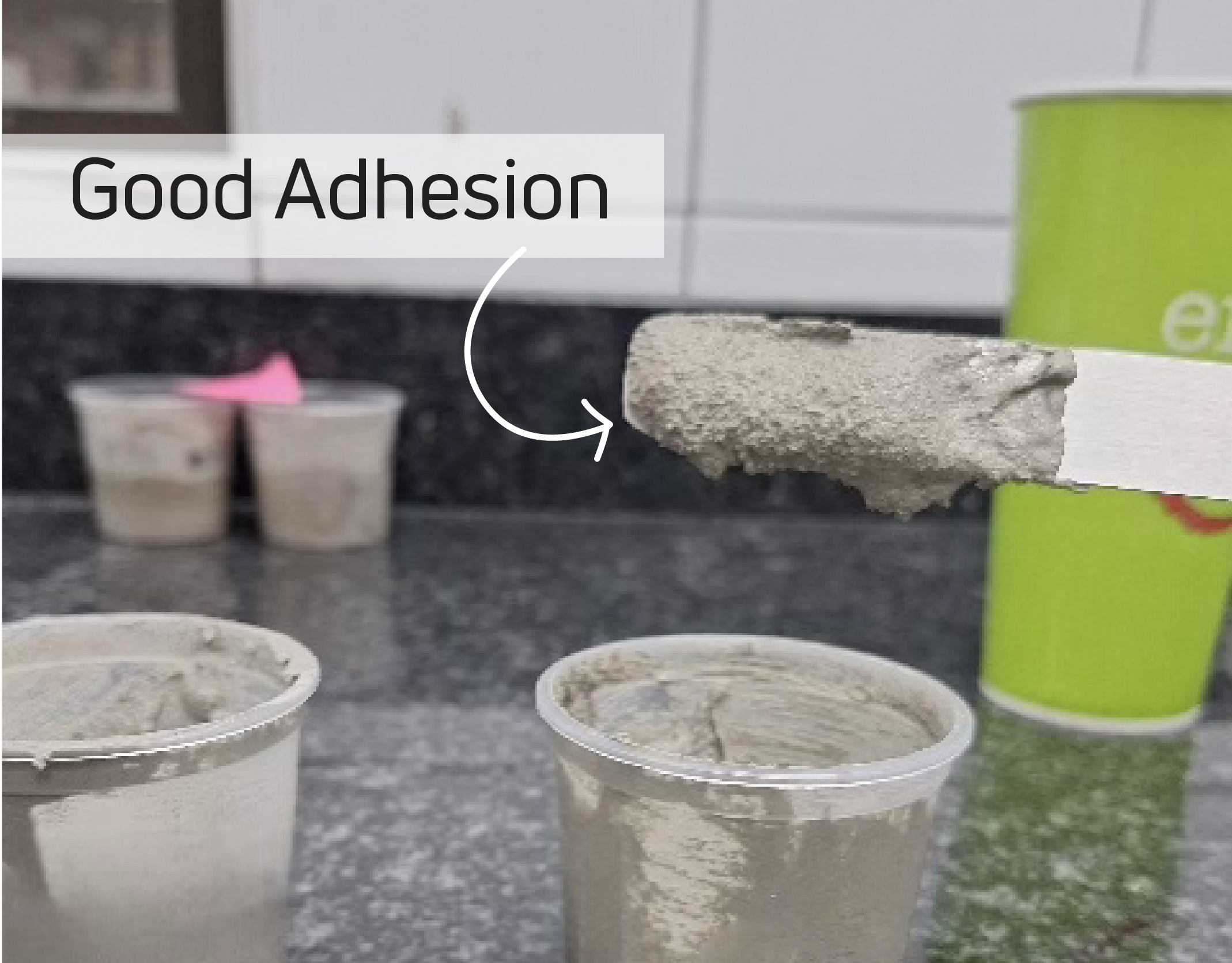
Poor Adhesion
As shown in the image, the adhesive slid off the palette knife, indicating poor strength and adhesion. This can lead to loose or detached tiles, particularly on walls.

Extended Setting Properties
After 48 hours the adhesive was still not sufficiently set to bear foot traffic, potentially delaying project handovers.

Compromised Strength and Performance
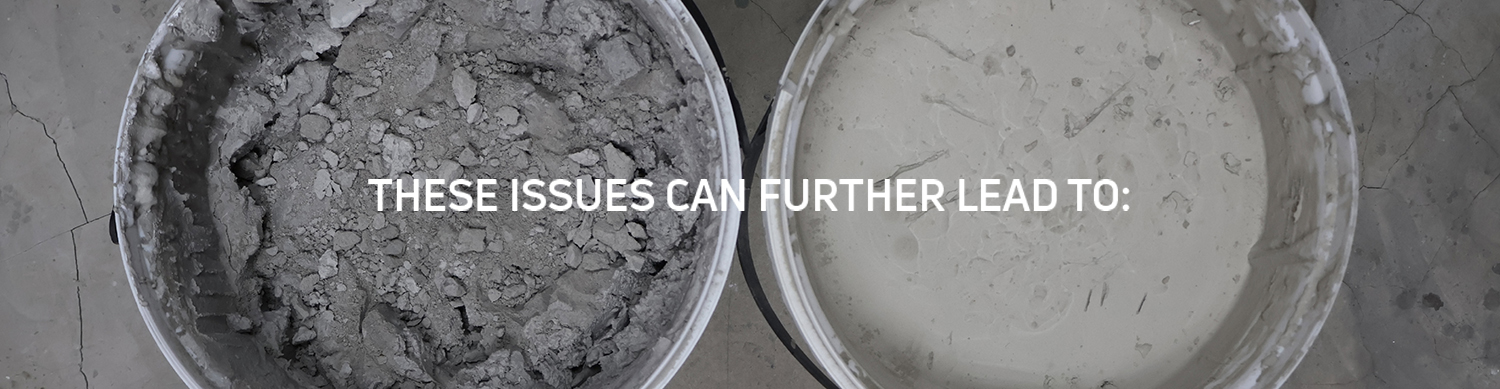
Instead of forming a strong, durable bond, the adhesive remained weak and crumbly — increasing the risk of tiles lifting or cracking.

Hollow-Sounding Tiles
Weak adhesive can lead to poor coverage, resulting in voids beneath the tiles. These empty spaces cause a hollow, "drum-like" sound when walked on or tapped. Voids in the adhesive can result in cracking of tiles under load.

Tile “Slippage”, and Uneven Surfaces
If the adhesive has low viscosity or poor shear strength, heavy tiles may slump during installation or before the adhesive sets, leading to uneven surfaces (lippage) that pose tripping hazards.

Cracking of tiles and grout
Weak adhesive can result in an impaired bond with the tiles. Loose or unbonded tiles are prone to cracking when trafficked due to the unsupported nature of the tile. Movement of loose tiles will lead to cracking of the grout in the joints.
Choose Wisely
While a low-price tag can be tempting, it often comes at the cost of quality and longterm durability. Contractors and homeowners should beware of tile adhesives that do not meet essential performance standards — they can lead to failures that are both costly and timeconsuming to fix.
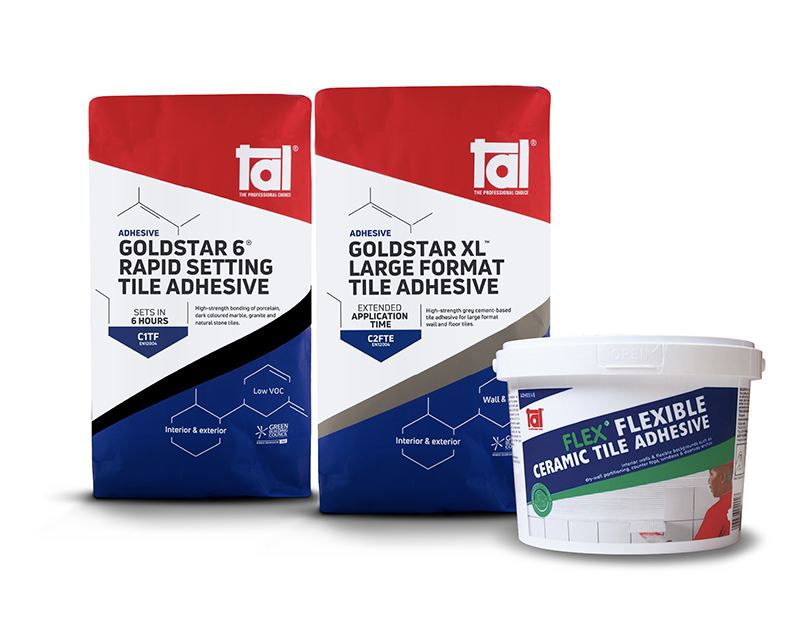
Selecting a reputable supplier makes all the difference. TAL adhesives are quality‑tested, and trusted across the industry for delivering reliable, fit‑for‑purpose results.
Need Guidance on a Tiling Project?
TAL’s expert technical advisory team is here to help.
We also offer detailed materials and methods specifications.
TAL Technical Advice Line: 0860 000 825
Email: [email protected]
Branches:
Johannesburg: (011) 2069700
Cape Town: (021) 3861810
Durban: (031) 5792263
Port Elizabeth: (041) 4530755